
Commercial Water Damage Restoration in Chicago: Minimizing Business Downtime
Rapid structural drying for commercial high-rises, retail storefronts, and office buildings in Downtown Chicago and West Loop — because every hour of closure costs your business real money.
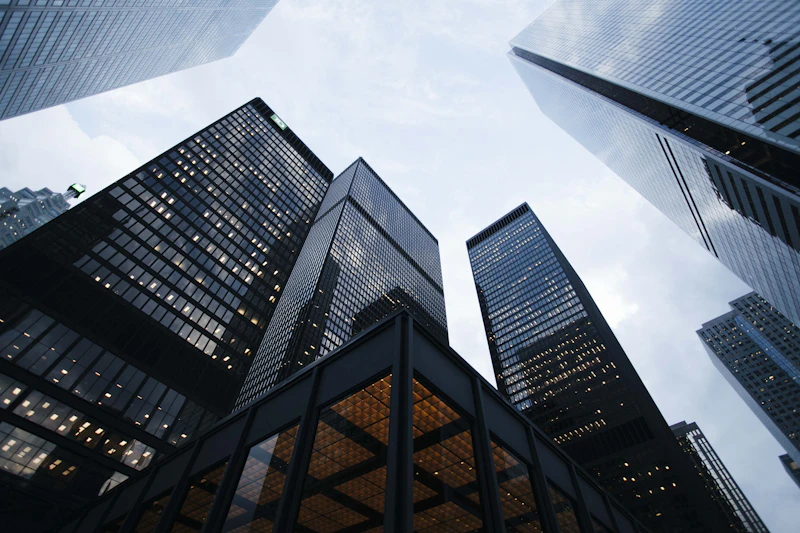
Every hour of commercial downtime costs thousands in revenue, tenant lease disputes, and operational losses. We deploy multi-unit industrial extraction and desiccant dehumidification for rapid 24/7 business recovery.
A flooding emergency in a commercial building is fundamentally different from a residential flood. The stakes are exponentially higher. A burst pipe on the 12th floor of a West Loop Chicago office tower does not simply ruin one room — it cascades water through concrete floor slabs, into elevator shafts, through electrical conduit chases, and into every occupied floor below. A single overnight roof leak above a ground-floor restaurant in Lincoln Park can ruin an entire kitchen buildout worth hundreds of thousands of dollars. For retail storefronts, hotels, healthcare facilities, and multi-tenant office buildings, the financial impact of water damage is compounded not just by the cost of physical repairs, but by lost revenue, disrupted operations, damaged customer relationships, and potential liability claims from tenants.
Chicago's commercial real estate sector — which spans everything from century-old River North loft conversions and Magnificent Mile retail flagships to modern Water Damage Restoration Chicago industrial complexes in the West Loop — faces a unique combination of weather-related and infrastructure-related water damage risks. Understanding these risks and knowing how to respond effectively when disaster strikes is essential for property managers, business owners, and facility directors across Cook County.
Chicago's Commercial Water Damage Risk Landscape
Commercial properties in Chicago face water damage risks from both external and internal sources that are distinct from residential properties. Externally, Chicago's location on Lake Michigan makes it susceptible to fast-moving storm systems that can drop several inches of rain in a matter of hours, overwhelming both municipal storm infrastructure and building envelope drainage systems. Flat-roofed commercial buildings — which constitute a large percentage of Chicago's commercial building stock — are particularly vulnerable to ponding water and membrane failures that lead to sudden, catastrophic interior flooding.
Internally, the complex mechanical infrastructure of a commercial building creates numerous potential failure points. A large commercial property may have dozens of rooftop HVAC units with condensate drain systems, multiple fire suppression sprinkler systems under high pressure, commercial kitchen steam and plumbing systems, cooling towers, chiller plants, and thousands of linear feet of domestic water piping. Any of these systems can and do fail, often with dramatic results.
The Most Common Commercial Water Damage Events in Chicago
Sprinkler System Activations
Automatic fire suppression sprinkler systems are one of the most common sources of catastrophic commercial water damage. A single activated sprinkler head delivers approximately 25 gallons of water per minute. In the time it takes for a building's maintenance team to locate and shut the system down, hundreds or even thousands of gallons of water can be released. Worse, heat from a kitchen fire or an overheated server room might activate multiple heads simultaneously. The water flows freely through the building's ceiling grid, across floors, and into the occupied spaces below, destroying IT equipment, office furniture, documents, and inventory.
Burst HVAC Chiller and Cooling Tower Lines
The large-diameter chilled water and condenser water lines that serve commercial HVAC systems carry enormous volumes of water under pressure. When these lines develop a failure — often due to pipe corrosion, joint failures, or freeze-thaw damage in exposed mechanical rooms — the resulting flood can fill an entire floor's raised computer floor or saturate a mechanical penthouse in minutes.
Roof Membrane Failures and Drain Overflows
Flat commercial roofs accumulate water during heavy rain events. When roof drains are blocked by debris or become overwhelmed by rainfall intensity, water ponds on the roof surface. Over time, this ponding water exploits any weakness in the membrane — a cracked seam, a failing flashing detail around a rooftop unit — and suddenly a massive volume of water breaches the building envelope and pours into the occupied space below, often without any warning.
Municipal Sewer Surcharge (Basement Flooding)
Ground-floor and below-grade commercial spaces — including many of Chicago's beloved Lower Wacker Drive businesses and River North basement restaurants — are acutely vulnerable to municipal sewer surcharge events. During major storms, Chicago's combined sewer system can push contaminated water back up through floor drains, contaminating inventory, kitchen spaces, and mechanical equipment with Category 3 black water.
The True Financial Cost of Business Downtime
Financial Warning: Lost Business Revenue vs Mitigation Cost
A 3-day closure for a Chicago restaurant can mean $45,000+ in lost gross revenue. Immediate response with desiccant dehumidifiers keeps structural elements intact and cuts restoration turnaround time by up to 60%.
Property managers often focus primarily on the physical repair costs when assessing a commercial water damage event, but the indirect costs of business interruption frequently dwarf the direct repair expenses. For a full-service restaurant that generates $15,000 to $30,000 in weekly revenue, even a three-day closure for water damage remediation represents a significant financial loss that may not be fully covered by business interruption insurance, depending on the policy terms and the cause of loss.
For multi-tenant office buildings, a water event affecting common areas or multiple tenant suites simultaneously can trigger lease disputes, requests for rent abatements, and in extreme cases, tenant relocations that create permanent vacancy loss. Technology companies and financial services firms that suffer data center or server room flooding face additional costs related to data recovery, emergency IT hardware replacement, and regulatory compliance for data security incidents.
This is precisely why commercial water damage response must prioritize speed above all else. The goal is not simply to stop the water and dry out the building — it is to restore normal business operations as quickly as humanly possible, in the correct sequence, to minimize total financial impact on all stakeholders.
The Commercial Restoration Process: Phase by Phase
Phase 1: Emergency Extraction
Multi-unit truck-mounted extraction, category classification, damage perimeter logging, elevator/access coordination.
Phase 2: Strategic Demolition
FLIR thermal mapping, surgical drywall/ceiling removal, protecting un-affected tenant suites for partial reopening.
Phase 3: Desiccant Structural Drying
Industrial desiccant trailers, high-volume axial movers, HEPA air scrubbers, psychrometric daily logging.
Phase 1 Details: Emergency Response and Water Extraction (Hours 1-6)
When our commercial response team receives the dispatch call, we mobilize multiple large-capacity extraction units simultaneously. For major commercial losses, we may deploy two to four truck-mounted extraction systems working in parallel to remove standing water as rapidly as possible. Our project manager performs a rapid damage assessment to categorize the water (clean, grey, or black) and document the affected square footage on each floor for insurance reporting. We work directly with building management to coordinate safe access, elevator protocols, and tenant notifications.
Phase 2 Details: Controlled Demolition and Material Removal (Days 1-3)
Once standing water is extracted, certified technicians perform moisture mapping of all affected floors and walls using calibrated moisture meters and thermal imaging cameras. This data determines exactly which materials must be removed and which can be dried in place. We perform strategic demolition — removing only the materials that have been compromised — and work with building management to ensure that operational spaces adjacent to the damage zone can reopen as quickly as possible.
Phase 3 Details: Structural Drying (Days 3-10)
Commercial structural drying requires significantly more equipment than residential drying. We deploy large-capacity desiccant dehumidifiers, high-velocity axial air movers, and HEPA air scrubbers. Desiccant dehumidifiers are particularly effective in large commercial spaces because they continue to function effectively at low temperatures, making them the preferred choice for warehouses, parking structures, and other spaces that may not be fully climate controlled.
Industrial Equipment Used in Commercial Restoration
Commercial water damage jobs require specialized, heavy-duty equipment that goes well beyond what is used in a typical residential restoration. Here is what our Emergency Water Extraction Chicago commercial teams deploy on large-scale jobs:
| Equipment Unit | Commercial Specifications | Primary Application |
|---|---|---|
| Truck-Mounted Extractors | 25-30 HP vacuum systems; 150+ GPH extraction capacity | Rapid removal of standing water on concrete slabs & carpets |
| Desiccant Dehumidifiers | 500+ pints/day removal; functions in low-temp spaces | Drying large open offices, warehouses & parking garages |
| HEPA Air Scrubbers | 99.97% filtration at 0.3 microns; negative pressure setup | Airborne particulate & spore containment during demolition |
| FLIR Thermal Cameras | Infrared temperature differential detection | Mapping hidden water pockets behind concrete/drywall |
| Hardwood Drying Mats | Negative pressure vacuum extraction mats | Drying subflooring beneath commercial parquet & hardwood |
- Truck-mounted extraction units: Each unit has a 25-30 horsepower vacuum system capable of extracting 150+ gallons per hour from saturated carpets and flooring.
- Desiccant dehumidifiers: Industrial desiccant units can remove 500+ pints of moisture per day and are effective even in low-temperature environments like parking structures and warehouses.
- HEPA air scrubbers: Remove airborne mold spores, dust, and debris generated during demolition, maintaining safe air quality for workers and any occupants in adjacent areas.
- Thermal imaging cameras: Detect moisture trapped behind walls and beneath flooring without destructive investigation, allowing targeted rather than broad demolition.
- Drying mats: Specialized floor drying systems that inject warm, dry air directly beneath hardwood flooring and tile to dry the subfloor without requiring surface removal.
Documentation for Insurance and Tenant Communication
Commercial property insurance claims for water damage can be complex, particularly when multiple tenants are affected and business interruption coverage is involved. Our project managers produce comprehensive Xactimate estimates — the industry-standard estimating platform used by all major commercial property insurers — that itemize every aspect of the mitigation scope in a format that adjusters can process quickly. We also maintain detailed moisture logs showing daily moisture readings at every monitoring point throughout the drying process, which provides irrefutable documentation that drying was performed to IICRC S500 standard.
For property managers dealing with tenant communications, we can provide written scope-of-work summaries and projected timelines that help you keep tenants informed and manage their expectations throughout the restoration process. Clear, professional communication during a crisis significantly reduces the likelihood of tenant disputes and legal complications.
Preventive Measures Every Chicago Commercial Property Should Take
Annual Roof Membrane Inspection
Have a qualified roofing contractor inspect your entire roof membrane, all flashing details, and every roof drain and overflow scupper annually — ideally before spring storm season. Address any discovered deficiencies immediately. A $2,000 roof repair can prevent a $200,000 flood event.
Water Leak Detection System Installation
Modern commercial buildings can be equipped with networked water leak detection sensors at all high-risk locations — beneath water heaters, near mechanical room pipe penetrations, around rooftop unit drain pans, and at sump pit locations. These sensors trigger an immediate alarm when moisture is detected, allowing building staff to respond before a small drip becomes a major loss event.
Pre-Loss Commercial Restoration Partnership
Establishing a pre-loss agreement with a commercial restoration company means that when a flooding event occurs, your property is already in the vendor database and our team can mobilize without any contract negotiation or administrative delay. Every minute of delay in extraction and drying translates directly to additional damage and higher restoration costs.
Commercial Flood Emergency in Chicago?
Priority commercial response team dispatched in 60 minutes or less — 24/7/365.
24/7 Commercial Dispatch
Dedicated restoration accounts for Chicago property managers and commercial tenants.
CALL (630) 241-6800 (24/7)